
According to the Food Waste Index Report 2024 by the United Nations Environment Programme (UNEP), food waste remains a pressing global issue. In Africa, where 85% of the population lacks access to electricity and urbanization is increasing, the challenge is particularly acute. The continent faces significant food waste challenges due to rapid population growth and rising energy demands. However, the bioeconomy offers promising solutions to address this issue.
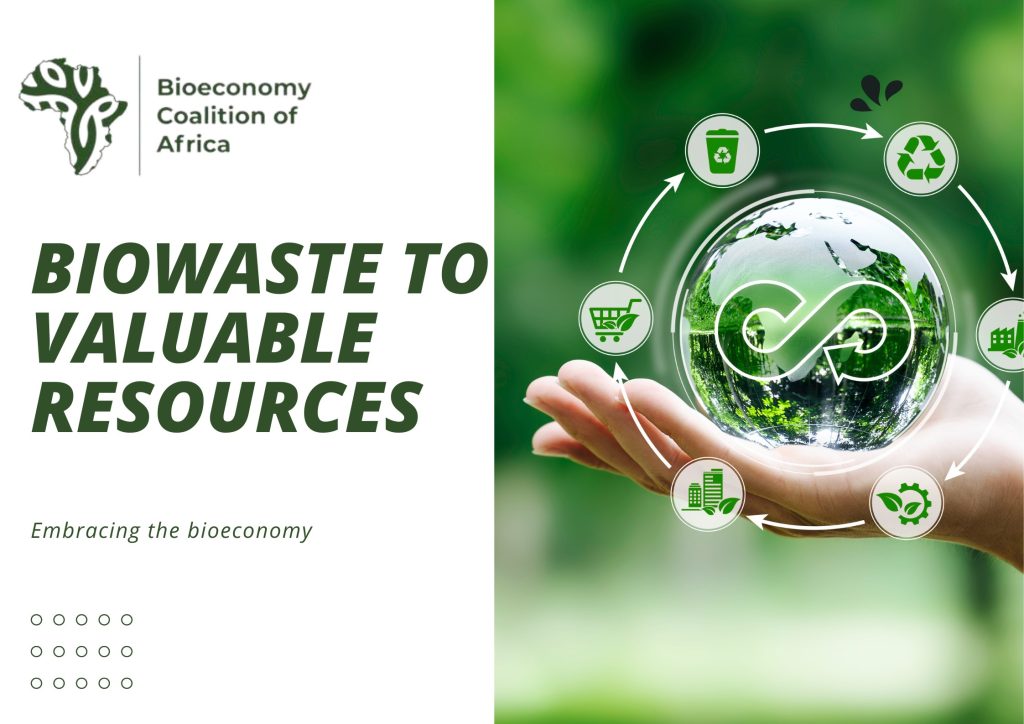
The circularity of the bioeconomy presents a remedy to the food waste crisis in Africa. By leveraging bio-based materials and renewable energy sources, such as biomass and biogas, the bioeconomy can transform food waste into valuable resources. Through initiatives like composting, anaerobic digestion, and controlled combustion, organic waste can be repurposed into bioenergy and nutrient-rich fertilizers. This reduces the environmental impact of food waste and contributes to sustainable energy production and agricultural practices.
The UNEP report highlights an ironic trend where hotter countries exhibit higher rates of food waste per capita in households, potentially linked to increased consumption of fresh foods with substantial inedible parts and inadequate cold chain infrastructure. This phenomenon becomes particularly poignant as we experience one of the hottest months yet this year and in history. The challenges posed by higher seasonal temperatures, extreme heat events, and droughts hinder the safe storage, processing, transportation, and sale of food, ultimately resulting in significant waste and losses. Moreover, the report underscores that urban areas are the primary sites of food waste, suggesting a need for focused efforts to foster circularity within city food systems, given the observed greater circularity in rural areas, including practices like feeding scraps to animals and composting. As we confront these realities, it becomes imperative to embrace the principles of the bioeconomy for sustainability in urban waste management, ensuring that resources are utilized efficiently and waste is minimized.
Furthermore, the bioeconomy encourages innovation and collaboration across sectors. By fostering public-private partnerships and supporting entrepreneurial initiatives, Africa can unlock the economic potential of bio-based industries while addressing food waste challenges. Investments in research and development, coupled with supportive policies and infrastructure, are essential to harnessing the full potential of the bioeconomy in combating food waste and building a more sustainable future for the continent.